Toy buying skills
Apr 20, 2021
1. Change your mindset
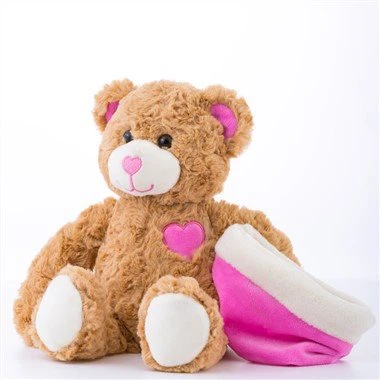
Parents rely too much on the country's toy safety production standards, and forget to keep their vigilance. You only see the brand name or price tag, and you can never understand the true appearance of a toy. You need to evaluate the safety of yourself and evaluate whether it can be purchased. Experts suggest that the first step is to pay attention to small parts, such as plastic rings or small plastic beads that are easily swallowed by babies, or the fluffy Teddy bear's bright plastic eyes. Please keep in mind that a stretch toy longer than 25 cm may restrain the child; while the ropes of kites and other flying toys should be made of non-metallic materials when the length is greater than 3 meters.
China’s children’s toy safety standards stipulate that when the length of the drawstring used by drag toys is greater than 30 cm, there must be no slip knots or fasteners that easily form slip knots. For such toys for children under 3 years old, ropes thinner than 1.5 mm cannot be used. When choosing, if you think toys are dangerous, you must trust your instincts.
2. Don't be fooled by the "import" label
Moms and Dads are generally more worried about the problems with domestic non-branded toys, but they ignore a product with a beautiful import label, which may be assembled in the importing country, but has parts from all over the world. Don't forget that some imported toys are also recalled frequently. Experts point out that if the toy contains dangerous magnets, the most troublesome problem is its own design flaws, not the manufacturing method. According to statistics, in the past 20 years, 60% to 70% of the recalled toys were due to design errors, while manufacturing problems (such as lead in paint) accounted for only 10%. Toys need to be "big-name", but the assessor is yourself, and you cannot rely solely on the credibility of the brand.
3. Check for the risk of suffocation or scratches
Look for toy instructions on the packaging and check whether the product contains some dangerous parts for children under 3 years old. If the packaging can be opened, you'd better check it yourself. Although some toys can pass the manufacturer's safety tests, they may still pose a threat. If the product has small detachable parts that can be swallowed by the child's throat without being squashed, then this product must never be bought by the child. Of course, children may also chew the contents of their mouths and swallow them. When buying toys, think about avoiding buying such toys. In addition, some toys have sharp edges or rough textures, and the tender skin of a child can never withstand such friction. Therefore, when you see wooden or metal toys, touch them carefully before making a decision. When you buy something for your child, you must not only put the exquisite appearance first.
4. Pay attention when shopping online
The laws related to online shopping are not yet complete. Online sellers, especially online private retailers, have limited benefits for consumers’ post-service and quality assurance. Therefore, mothers should pay special attention to the gifts you order online and check the products before buying. Pictures of authenticity and product packaging.
Many online retailers will ask you to write blessings to friends or family during the mailing. You need to mail after you have confirmed that the product is correct, or advise friends to pay attention. Or, you can check on the website of the Consumer Association to see if the items you buy online are on the blacklist. After the party is over, you should check carefully to see if there are any parts of the toys that your friends send online that will cause harm to your baby.
5. Give up toys that are too noisy
Long-term playing with toys that are too loud can cause hearing damage to the baby. If the sound made by the toy exceeds 90 decibels, it is really a kind of noise that hurts the body. Before buying in the toy store, press the button and listen to the effect. In addition, the distance between the children and the toy speaker should also be considered, whether he held it in his arms, or placed it beside him or in other corners of the room. Trust your own judgment. If you think it is loud, then its sound is probably really not suitable for the baby.